
Japanese Style Acupuncture in Toronto
Your path to health Starts Here
Voted Best Acupuncturist in Toronto


哲学 | Philosophy
Healing begins with understanding the individual. Through careful observation, and the principles of Japanese-style acupuncture, my intention is to support the body's natural capacity for balance and well-being.
Learn My Approach to Japanese-Style Acupuncture


針 | Acupuncture
Japanese-style acupuncture is a gentle, individualized approach that emphasizes precision, careful observation, and minimal stimulation. Unlike approaches that rely on stronger needle stimulation, Japanese-style acupuncture typically uses finer needles and subtle techniques tailored to each patient's needs.
My practice incorporates abdominal (hara) diagnosis, palpation-based assessment, and moxibustion (heat therapy) to guide treatment. As a Registered Acupuncturist in Toronto, I work with patients seeking care for muscle pain and tension, migraines and headaches, digestive concerns, stress, and other health conditions, with an emphasis on whole-person care.

灸 | Moxibustion
A therapeutic technique used in Japanese-style acupuncture. Moxibustion involves using the medicinal herb mugwort to transfer heat into the body.
Gently applying the burning mugwort onto the skin induces a variety of changes in the body, such as circulation, that aids the healing process.

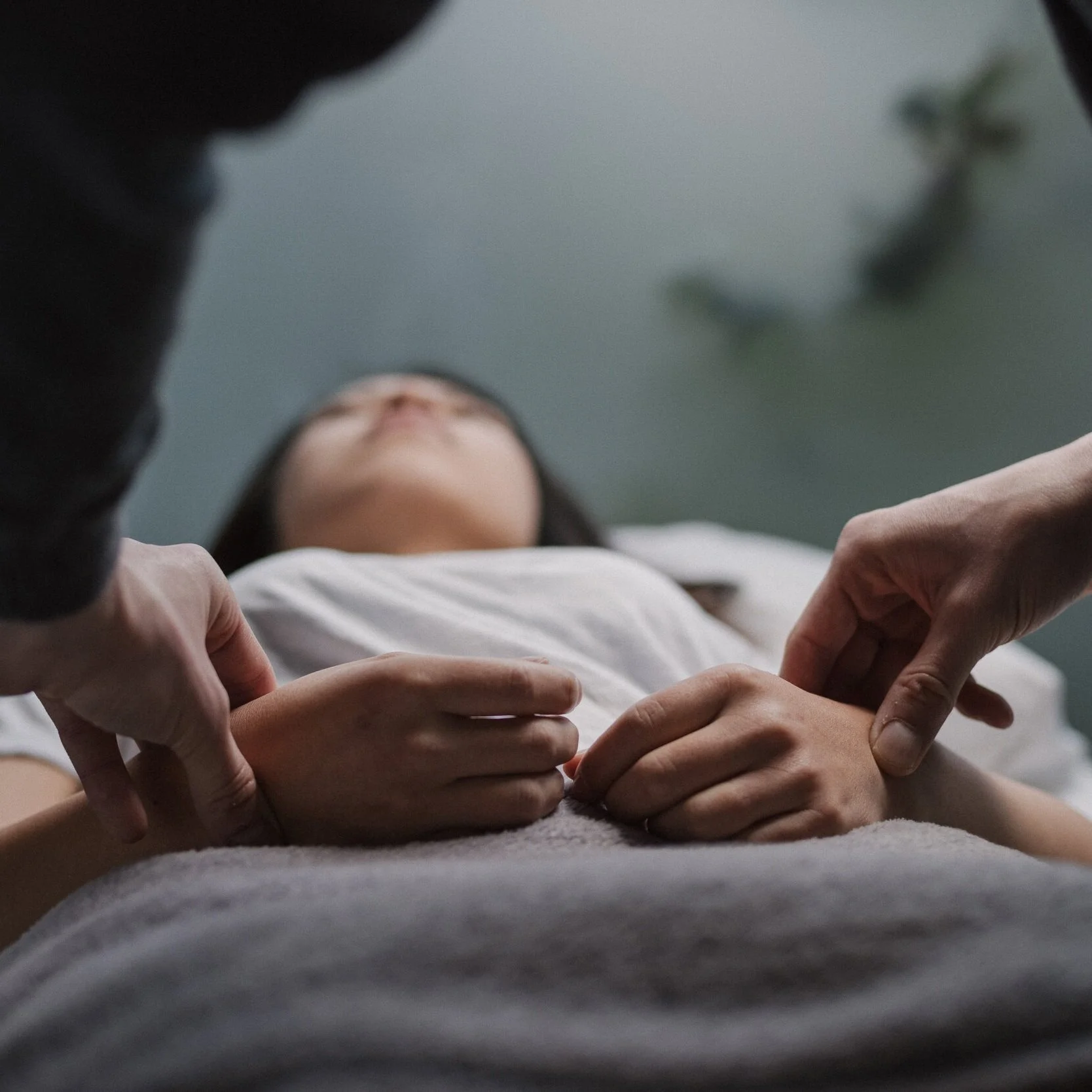
整体 | HOLISTIC CARE
Health is shaped by more than the symptoms we experience. Sleep, nutrition, movement, stress, and daily habits all play an important role in our overall well-being.
Alongside Japanese-style acupuncture, I offer individualized lifestyle guidance informed by the principles of East Asian medicine. Together, we explore practical ways to support balance, build healthier routines, and cultivate lasting well-being.

Book your Acupuncture appointment today
Experience gentle, personalized Japanese-style acupuncture at two convenient Toronto locations.
Appointments are available at Mahaya Health in Little Italy (College & Grace) and Step Up Massage & Rehab in Midtown Toronto (Yonge & St. Clair)
You can view the locations where I currently practice here.
FAQ about Acupuncture
-
Japanese‑style acupuncture is a gentle, precision‑focused form of acupuncture that emphasizes careful palpation (hara diagnosis), subtle needling techniques, and individualized treatment plans.
Practitioners use thinner needles, shallower insertions, and refined point selection to minimize discomfort while targeting the root of symptoms.
Sessions typically begin with a focused assessment (including pulse, tongue, and palpation), followed by calm, attentive needling and often moxibustion (heat from mugwort) when indicated. It’s especially well suited to patients who prefer a softer approach and is effective for pain, headaches and migraines, stress and anxiety, digestive issues, sleep problems, and fertility support.
-
Musculoskeletal Conditions
General muscle tension
Arthritis,Tennis elbow
Carpal tunnel syndrome
Tinnitus (ringing in ears)
Back/Neck/Shoulder pain
Neurological Conditions
Headaches
Migraines
Bell's palsy
Neuropathies
Sleep issues (insomnia)
Emotional and Psychological Conditions
Stress
Depression
Anxiety
Phobias
ADHD/ADD
Endocrine conditions
Hormonal imbalances
Diabetes
Hyperthyroidism
Hypothyroidism
Menopause
Osteoporosis
Hypoglycemia
Weight gain/loss
Urogenital Disorders
Cystitis
Prostatitis
Orchitis
Urinary retention
Kidney disorders
Nocturnal enuresis
Prolapse of the bladder
Neurogenic bladder dysfunction
Circulatory Disorders
Poor circulation
Hypertension (high blood pressure)
Hypotension (low blood pressure)
Angina pectoris (chest pain)
Addictions and Withdrawal
Alcohol
Marijuana
Nicotine
Other drug use
Respiratory Disorders
Asthma
Inusitis
Allergies
Chronic obstructive pulmonary disease (COPD)
Common cold and bronchitis
Digestive System
Bloating
Food allergies
Acid reflux
Crohn’s disease
Ulcers
Diarrhea, anemia
Constipation
Irritable bowel syndrome (IBS)
Colitis
Liver disorders
Gastritis
Skin Disorders
Eczema
Dermatitis
Psoriasis
Herpes zoster
Acne
Scar tissue
Resultant adhesions
-
Japanese acupuncture promotes the body's natural healing process by increasing circulation and regulating the physiological function of the internal organ systems.
It uses gentle acupuncture techniques alongside moxibustion to aid in our body's healing
-
Every condition is different, and the course of treatment depends on whether the health concern is acute or chronic. Generally, patients feel relief after the first treatment and, in acute cases, can respond well within a few treatments. With chronic conditions, relief can take up to six to ten regular sessions to see consistent and lasting change. During our initial acupuncture visit we will discuss your treatment plan and expectations.
-
1. Comprehensive Assessment
Get a thorough evaluation of all aspects of your health, including any medical concerns, with an extensive overview of your health history and the use of unique diagnostic techniques.
2. Individualized Treatment
Discover the underlying causes of your health concerns and receive a specialized Japanese style acupuncture treatment specific to your needs.
3. Post Treatment Plan
Take control of your health with self-care, including advice on lifestyle and nutrition to reach optimal health.
-
Many insurance plans do cover acupuncture and require the acupuncturist to be registered with the College of Traditional Chinese Medicine and Acupuncturists of Ontario (CTCMPAO).
-
Acupuncture offers benefits to a wide range of individuals seeking holistic health solutions. Those experiencing chronic pain conditions such as back pain, migraines, or arthritis often find relief through acupuncture's pain-reducing effects. Additionally, individuals struggling with stress, anxiety, or insomnia may benefit from acupuncture's ability to promote relaxation.
Acupuncture can be beneficial for individuals seeking support for various other health concerns, including digestive issues, allergies, hormonal imbalances, and even infertility.
Acupuncture's versatility and holistic approach make it a valuable option for anyone seeking to enhance their overall well-being and address specific health issues.